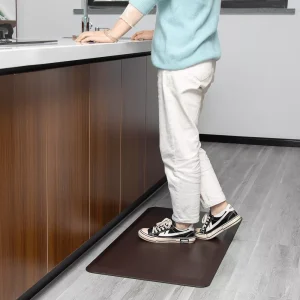
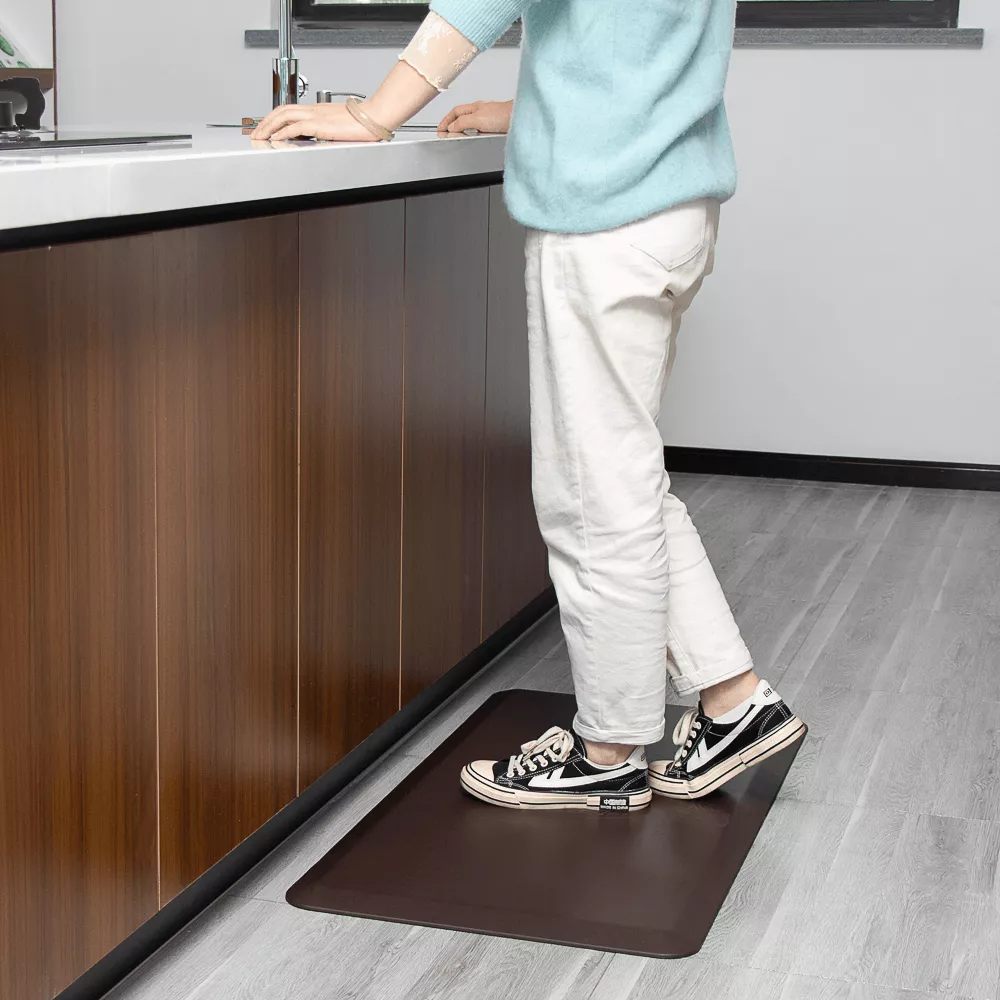
For distributors, wholesalers, retailers, and brand owners, controlling procurement costs is essential to maintaining healthy profit margins. However, many buyers unknowingly pay significantly more than necessary when sourcing anti-fatigue mats through trading companies or multiple intermediaries.
While middlemen can simplify sourcing, they also add extra costs, communication barriers, and longer lead times. By purchasing directly from an experienced anti-fatigue mat manufacturer, businesses can often reduce overall costs while gaining better control over product quality and customization.
In this guide, we’ll explore how factory-direct sourcing works, where hidden costs originate, and why more businesses are choosing direct manufacturing partnerships for their anti-fatigue mat supply.
What Does Factory Direct Mean?
Factory direct sourcing means purchasing products directly from the manufacturer rather than through trading companies, agents, or distributors.
Instead of paying multiple parties throughout the supply chain, buyers work directly with the production facility responsible for manufacturing the product.
This direct relationship offers greater transparency, faster communication, and more competitive pricing.
Traditional Supply Chain vs Factory Direct Sourcing
Many anti-fatigue mats pass through several stages before reaching the final buyer:
- Manufacturer
- Trading Company
- Export Agent
- Distributor
- End Customer
Each participant adds operational costs and profit margins. While these services may provide convenience, they can significantly increase the final product price.
With factory-direct sourcing, the process becomes much simpler:
- Manufacturer
- Buyer
Fewer intermediaries often result in better pricing and improved project efficiency.
Understanding the Real Cost of Anti-Fatigue Mats
To understand potential savings, it’s important to know what contributes to the cost of an anti-fatigue mat.
Raw Materials
Materials such as polyurethane (PU), PVC, rubber, and foam represent a significant portion of manufacturing costs. Material quality directly affects durability, comfort, and product lifespan.
Production and Manufacturing
Manufacturing costs include equipment operation, energy consumption, molding processes, quality inspections, and factory overhead.
Labor Costs
Skilled workers are essential for maintaining consistent product quality and production efficiency.
Packaging and Branding
Customized packaging, private labeling, barcodes, and retail-ready designs may add additional costs depending on project requirements.
Shipping and Logistics
Transportation, warehousing, customs clearance, and international freight can all impact final landed costs.
Where Do Hidden Costs Come From?
Many buyers focus only on unit price without examining the entire supply chain. Hidden costs often originate from several sources.
Trading Company Markups
Most intermediaries add service fees and profit margins before passing orders to the actual factory. Depending on the product and order volume, these markups can significantly increase procurement costs.
Communication Delays
When information passes through multiple parties, misunderstandings can occur. Delays in confirming specifications, samples, or production changes may lead to longer lead times and additional expenses.
Quality Control Challenges
If quality issues arise, resolving them through multiple intermediaries can be time-consuming. Direct factory communication often enables faster problem-solving and corrective action.
Key Benefits of Buying Direct from an Anti-Fatigue Mat Manufacturer
More Competitive Pricing
Factory-direct purchasing eliminates unnecessary intermediary costs, allowing buyers to access more competitive pricing structures.
Greater Cost Transparency
Working directly with the manufacturer provides clearer visibility into materials, production methods, packaging options, and logistics expenses.
Stronger Negotiation Opportunities
Manufacturers can often offer more flexible pricing for larger volumes, long-term partnerships, and recurring orders.
Faster Lead Times
Direct communication streamlines production planning and decision-making, helping reduce project delays.
Improved Quality Management
Buyers can communicate quality requirements directly with production teams and quality control departments.
Cost Comparison: Factory Direct vs Trading Company
Consider a bulk order of commercial anti-fatigue mats:
- Through an intermediary: higher procurement cost due to additional markups
- Direct from manufacturer: lower overall cost with greater pricing transparency
Actual savings vary based on order quantity, customization requirements, material specifications, and destination market. However, many buyers find that direct sourcing creates substantial long-term cost advantages.
Beyond Cost Savings: Additional Advantages of Direct Manufacturing Partnerships
OEM and Private Label Services
Manufacturers can provide customized logos, packaging, colors, sizes, and product specifications that support brand development.
Flexible Product Development
Direct factory collaboration allows faster implementation of new product ideas and design improvements.
Long-Term Supply Stability
Building relationships directly with manufacturers can improve supply chain reliability and production consistency.
Why Businesses Choose CZBROAD
CZBROAD is a professional anti-fatigue mat manufacturer specializing in commercial, industrial, and ergonomic floor mat solutions.
Our manufacturing capabilities include:
- Advanced production facilities
- Strict quality control systems
- OEM and ODM customization services
- Private label manufacturing
- Global export experience
- Flexible production capacity
We work closely with distributors, wholesalers, importers, retailers, and brand owners worldwide to deliver reliable anti-fatigue mat solutions.
Common Mistakes Buyers Should Avoid
- Selecting suppliers based solely on the lowest price
- Failing to verify manufacturing capabilities
- Ignoring product certifications and quality standards
- Overlooking communication efficiency
- Not requesting samples before placing large orders
How to Start Sourcing Anti-Fatigue Mats Directly
If you are considering factory-direct purchasing, follow these simple steps:
- Define product specifications and requirements.
- Identify qualified anti-fatigue mat manufacturers.
- Request samples for evaluation.
- Review pricing, lead times, and customization options.
- Confirm production schedules and quality standards.
- Place your order with confidence.
Final Thoughts
Choosing a factory-direct anti-fatigue mat supplier can help businesses improve cost efficiency, enhance quality control, and simplify the purchasing process.
Beyond potential cost savings, direct partnerships provide greater flexibility, faster communication, and stronger long-term supply chain stability. For companies seeking reliable anti-fatigue mat manufacturing solutions, working directly with an experienced manufacturer can be a valuable competitive advantage.
If you are looking for high-quality commercial or industrial anti-fatigue mats, CZBROAD offers customized manufacturing solutions, competitive factory pricing, and professional support for global buyers.
Frequently Asked Questions
Can factory-direct sourcing reduce procurement costs?
In many cases, yes. Eliminating intermediaries can help improve pricing transparency and reduce additional markups.
Can anti-fatigue mats be customized?
Yes. Most manufacturers offer OEM and ODM services, including custom sizes, colors, materials, packaging, and branding.
What industries use anti-fatigue mats?
Anti-fatigue mats are widely used in manufacturing facilities, retail stores, commercial kitchens, warehouses, laboratories, and standing workstations.
What materials are commonly used for anti-fatigue mats?
Popular materials include polyurethane (PU), PVC, rubber, foam, and various composite materials designed for comfort and durability.
How can I evaluate a reliable anti-fatigue mat manufacturer?
Review production capabilities, certifications, quality control procedures, customer references, customization options, and export experience before making a decision.