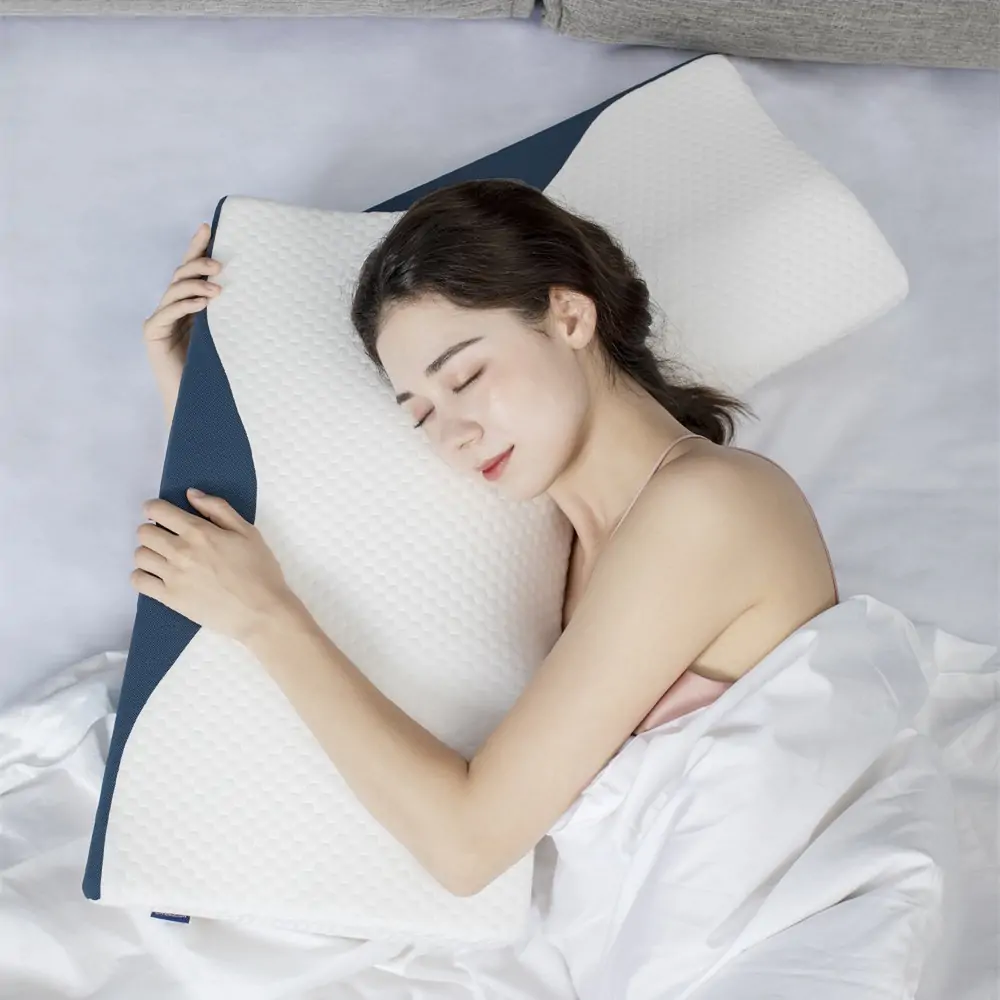
Many people ask the same question before purchasing a new pillow: Is a memory pillow healthy? The answer is generally yes. A high-quality memory foam pillow can support proper spinal alignment, reduce pressure points, improve sleep quality, and help relieve common issues such as neck pain and shoulder discomfort.
Originally developed using advanced pressure-relieving technology, memory foam has become one of the most popular materials used in modern sleep products. Its unique ability to adapt to the shape of your head and neck makes it a preferred choice for people seeking better comfort and healthier sleep.
What Is a Memory Foam Pillow?
A memory foam pillow is made from viscoelastic polyurethane foam, a material designed to respond to body heat and pressure. Unlike traditional pillows that flatten over time, memory foam gently contours to the shape of your head, neck, and shoulders.
This personalized support helps maintain a natural sleeping posture and provides a more comfortable sleeping experience throughout the night.
Why Are Memory Foam Pillows Considered Healthy?
The health benefits of memory foam pillows come from their ability to support the body correctly during sleep. Poor pillow support can lead to neck strain, muscle tension, headaches, and disrupted sleep. A properly designed memory pillow helps reduce these issues by promoting healthy spinal alignment.
Supports Proper Spine Alignment
One of the most important benefits of a memory foam pillow is its ability to keep the head, neck, and spine aligned. When your spine remains in a neutral position, muscles and ligaments can relax more effectively during sleep.
Proper alignment may help reduce morning stiffness, muscle fatigue, and discomfort caused by poor sleeping posture.
Reduces Pressure Points
Traditional pillows often create pressure on certain areas of the head and neck. Memory foam distributes weight evenly across the pillow surface, helping relieve pressure points and improving overall comfort.
This pressure-relieving effect is particularly beneficial for side sleepers and people who experience chronic neck or shoulder pain.
May Help Reduce Snoring
Snoring is often linked to poor sleeping posture and restricted airways. By supporting the head and neck in a natural position, a memory foam pillow may help keep air passages more open during sleep.
While it is not a medical treatment for sleep disorders, many users report reduced snoring and improved breathing comfort when switching to a supportive memory pillow.
Can Memory Foam Pillows Help With Neck Pain?
Yes. Memory foam pillows are widely recommended for individuals experiencing neck discomfort caused by poor posture, office work, prolonged screen time, or everyday muscle strain.
The contouring support helps reduce pressure on the cervical spine and surrounding muscles. By maintaining proper sleeping posture, a memory foam pillow can help minimize tension and promote muscle recovery overnight.
For people who regularly wake up with neck stiffness or shoulder soreness, choosing an ergonomic memory foam pillow may provide noticeable relief.
Benefits for Back and Shoulder Support
A memory foam pillow supports more than just the neck. Proper pillow height and firmness can also help improve shoulder positioning and upper back comfort.
By reducing uneven pressure and encouraging healthy alignment, memory foam pillows can contribute to a more balanced sleeping posture and better overall sleep quality.
Are Memory Foam Pillows Good for Allergy Sufferers?
Many memory foam pillows are naturally resistant to dust mites and common allergens due to their dense structure. This makes them a popular choice for individuals with allergies or respiratory sensitivities.
Many modern memory pillows also feature removable and washable covers, making it easier to maintain a clean and hygienic sleep environment.
Do Memory Foam Pillows Sleep Hot?
Older generations of memory foam were sometimes criticized for retaining heat. However, modern memory foam pillows have evolved significantly.
Many manufacturers now incorporate ventilated foam, cooling gel technology, or breathable pillow covers to improve airflow and regulate temperature throughout the night.
These innovations help users enjoy the support of memory foam without feeling excessively warm while sleeping.
Who Should Use a Memory Foam Pillow?
Memory foam pillows are suitable for a wide range of sleepers, including:
- Side sleepers seeking better neck support
- Back sleepers looking for improved spinal alignment
- Office workers with neck and shoulder tension
- Individuals experiencing occasional headaches caused by poor sleeping posture
- People seeking pressure relief and improved sleep quality
- Allergy sufferers looking for a cleaner sleeping environment
Because memory foam adapts to different body shapes and sleeping positions, it provides personalized support for many users.
How Long Does a Memory Foam Pillow Last?
Compared with traditional fiber or feather pillows, memory foam pillows typically offer superior durability. A high-quality memory foam pillow can maintain its shape and supportive properties for several years with proper care.
This long lifespan makes it a cost-effective investment in better sleep and long-term comfort.
How to Choose a Healthy Memory Foam Pillow
When selecting a memory foam pillow, consider the following factors:
- Choose the correct height for your sleeping position
- Look for ergonomic or cervical support designs
- Select breathable and cooling materials
- Choose hypoallergenic and non-toxic foam
- Consider removable and washable covers
- Check product certifications for quality assurance
The right pillow should provide support without feeling too firm or too soft.
Final Thoughts
So, is a memory pillow healthy? For most people, the answer is yes. A quality memory foam pillow can support proper spinal alignment, reduce pressure points, relieve neck and shoulder discomfort, and contribute to better sleep quality.
Whether you are struggling with neck pain, occasional snoring, poor sleeping posture, or simply want a more comfortable night’s sleep, a well-designed memory foam pillow can be a valuable addition to your sleep routine.
Investing in the right memory foam pillow is not just about comfort—it is an investment in healthier, more restorative sleep every night.